Jess—aka Reviews by Jess—is a sassy, top-ranked Goodreads reviewer who reads a little of everything. From steamy romance to dark fantasy, plus stories featuring mental health, hidden disabilities, and LGBTQ+ rep, she brings bold, unfiltered reviews readers can trust. Expect sass, sparkle, and a TBR that’s about to explode.

Reviews by Jess- Unfiltered. Unapologetic. Unforgettable Reviews.

Sunday, January 18, 2026

Review: Havoc at Prescott High

Havoc at Prescott High Havoc at Prescott High by C.M. Stunich
My rating: 5 of 5 stars

Havoc at Prescott High by C.M. Stunich

Genre: Dark Reverse Harem / Bully Romance
Rating: ⭐⭐⭐⭐⭐ (5 stars — dark, feral, and devastatingly addictive)

Tagline:
Five boys. One girl. Revenge turns into obsession.

πŸ”₯😈 Tropes & Story Elements

• Reverse Harem / Why Choose
• Dark Bully Romance
• Enemies-to-Lovers → Possessive Devotion
• Power Reversal / Revenge Arc
• Found Family (Twisted & Fierce)
• Morally Gray Characters
• High School → New Adult Transition
• Emotional Trauma & Healing

⚠️ Content & Trigger Warnings

• Bullying (past and ongoing themes)
• Emotional abuse and manipulation
• Violence and threats
• Sexual content
• Trauma, PTSD, and revenge-driven behavior
• Dark themes throughout the series

This series is intentionally intense and emotionally heavy. Reader discretion is advised.

🩸 Full Thoughts

Havoc at Prescott High is not a gentle introduction to dark romance — it’s a plunge straight into chaos. From the opening pages, C.M. Stunich establishes a world ruled by power, fear, and cruelty, where survival depends on dominance and silence can be lethal. What begins as a story about bullying quickly evolves into something far more complex: a feral, emotionally charged saga about reclaiming agency, redefining loyalty, and turning pain into weaponized strength.

At the heart of the series is a heroine who refuses to be erased by what was done to her. Her journey is not linear or sanitized. She doesn’t heal quietly, forgive easily, or forget the past for the sake of comfort. Instead, she remembers everything — and she uses it. Watching her evolve from a victim trapped in a suffocating power imbalance into a calculating strategist and, ultimately, an unapologetic force of nature is one of the most satisfying arcs in dark reverse harem.

What makes her character work so well is that her rage is justified, her fear is real, and her choices carry consequences. The story never minimizes the damage inflicted on her, and it never asks the reader to excuse it away. Her strength is forged through trauma, resilience, and an unwavering refusal to stay broken — and that ferocity is what drives the series forward.

😈 The Havoc Boys — Monsters, Then More

The Havoc Boys are not introduced as redeemable heroes. They are volatile, cruel, and deeply damaged — rulers of a system built on intimidation and hierarchy. Each one embodies a different kind of darkness, and their early actions are meant to disturb.

What sets this series apart is that their evolution is earned.

Redemption here isn’t handed out through grand gestures or sudden personality shifts. It unfolds slowly, messily, and painfully. Guilt, obsession, possessiveness, and loyalty intertwine as the boys are forced to confront the harm they’ve caused and the cost of their choices.

Their transformation from tormentors to protectors doesn’t erase the past — it recontextualizes it. The relationships that form are intense, complicated, and deeply entwined with trauma. This is not soft devotion. It’s brutal loyalty, forged in shared danger and a fierce “us against the world” mentality.

Each dynamic brings something different to the harem, and no one feels interchangeable. The bond that develops is less about romance alone and more about survival, trust, and mutual destruction turned inward into something resembling love.

πŸ”₯ Power, Revenge, and Control

Central to the series is its power reversal arc. Prescott High begins as a place where the heroine has no control — socially, emotionally, or physically. Over time, that balance shifts. Not through luck, but through intelligence, strategy, and a willingness to embrace the darkness required to survive.

Revenge in this series is not symbolic. It’s calculated. It’s relentless. And it’s deeply personal.

What makes this arc effective is that the story allows revenge to be ugly. It’s not framed as morally pure or emotionally cleansing. It’s shown as dangerous, consuming, and necessary — a tool for reclaiming agency in a world that only respects power.

πŸ–€ Pacing, Escalation, and Emotional Weight

Across all five books, the pacing is one of the series’ greatest strengths. The plot doesn’t reset with each installment — it builds. Stakes rise. Consequences accumulate. Emotional wounds deepen instead of disappearing.

The transition from high school to new adult territory is handled thoughtfully, allowing the characters to grow without losing the intensity that defines the series. Darkness remains constant, but it evolves alongside the characters, becoming more layered and more emotionally resonant.

Moments of vulnerability and connection are carefully placed, offering breathers without ever undermining the tension. These flashes of twisted tenderness make the darkness hit harder — because they remind you what’s at stake.

πŸ–€ Themes That Define the Series

• Reclaiming Power After Trauma — Strength forged through survival
• Loyalty Over Morality — Choosing each other, regardless of right or wrong
• Found Family in the Ruins — Connection born from shared damage
• Obsession as Devotion — Love that borders on dangerous
• Healing Without Forgetting — Growth that doesn’t erase scars

πŸ–€ Final Thoughts

Havoc at Prescott High is not a comfort read. It’s confrontational, emotionally wringing, and deliberately provocative. But for readers who crave dark romance with teeth — stories that explore trauma without flinching and devotion without softness — this series delivers completely.

By the end, you don’t just finish the story.

You survive it.

And you understand exactly why some bonds are forged in fire instead of light.

Thursday, January 15, 2026

Review: We Who Will Die

We Who Will Die We Who Will Die by Stacia Stark
My rating: 5 of 5 stars

We Who Will Die by Stacia Stark

Genre: Epic Romantasy / Fantasy Romance
Rating: ⭐⭐⭐⭐⭐⭐⭐⭐⭐⭐ (10 stars — absolute obsession)

Tagline:
Blood, vows, and destiny collide in a brutal arena where love, gods, and vampires demand everything.

⚔️🩸 Tropes & Story Elements

• Roman-Inspired Fantasy World
• Vampires & Immortal Rulers
• Deadly Arena Trials / Gladiator Vibes
• Slow-Burn Romance πŸ”₯
• Love Triangle / Complicated Bonds
• Political Intrigue & Court Conspiracies
• Found Family / Sibling Devotion
• Morally Gray Characters
• Gods, Prophecies & Dark Mythology

⚠️ Content & Trigger Warnings

• Graphic violence and combat
• Death, torture, and bloodshed
• Emotional trauma and grief
• Coercion and power imbalance
• Dark themes involving gods and immortals
• High emotional intensity / heartbreak

This is a brutal, emotionally demanding romantasy. Proceed prepared.

🩸 Full Thoughts

We Who Will Die is not just a strong series opener — it’s a statement. From the first chapter, Stacia Stark establishes that this world is unforgiving, that survival is never guaranteed, and that love is not a shield against suffering. This book doesn’t ease you in. It throws you into the blood and demands you adapt.

The Roman-inspired setting is richly constructed and merciless by design. Power is centralized, public, and cruel. Vampires rule not as romanticized immortals, but as ancient predators whose authority is enforced through fear, spectacle, and ritualized violence. The empire functions because people believe resistance is futile — and because gods actively meddle in mortal lives for their own dark purposes.

At the heart of this world is Arvelle, a heroine driven not by ambition, but by necessity. She is not chasing glory, power, or revenge. She is fighting to keep her brothers alive — and that devotion grounds every decision she makes. Her love for them adds constant emotional weight to the story, turning each choice into a potential death sentence not just for herself, but for the people she refuses to abandon.

When Arvelle makes a magically binding vow to assassinate the vampire emperor, the story crosses a line from dangerous to catastrophic. This vow is not symbolic — it is enforced by magic, gods, and blood. From that moment on, the tension never releases. Every step she takes toward survival pulls her closer to inevitable destruction.

⚔️ The Sundering Arena — Brutality With Purpose

The Sundering arena is one of the most effective gladiator-style trial systems in recent romantasy. It isn’t violence for spectacle alone — it’s violence as political theater.

Each trial strips away illusions:
• About strength
• About fairness
• About who deserves to live

Combat is brutal, strategic, and emotionally charged. Stark excels at showing how survival often comes down to adaptability and sacrifice, not brute force. Victory never feels clean. Losses linger. Deaths matter.

What elevates the arena sequences is how tightly they are woven into the political landscape. Every fight is observed, judged, manipulated. Winners are shaped into weapons. Losers are erased. The arena is not just about entertainment — it’s about control.

🩸 The Vampires & the Heart of the Conflict

The vampires in this story are layered, terrifying, and deeply compelling.

The Primus is cold, controlled, and devastatingly familiar. His presence introduces emotional history, restraint, and unresolved pain that complicates every interaction. There is a constant push-and-pull between duty and desire, between what was and what can never be again. The tension here is quiet, sharp, and relentless.

Rorrik, the emperor’s son, is a standout antagonist/love-interest figure. He is cruel, charismatic, unpredictable, and dangerous in ways that feel both thrilling and horrifying. Every scene he’s in hums with instability. You never fully trust him — and that’s exactly why he works. His dynamic with Arvelle is charged with power imbalance, fascination, and menace.

Together, these relationships create a slow-burn romantic triangle that hurts. There is no easy choice. No safe option. No path that doesn’t demand sacrifice.

This is slow-burn romance at its most effective: restrained, layered, and emotionally devastating.

πŸŒ‘ Gods, Prophecy, and Dark Mythology

What truly elevates We Who Will Die beyond a standard arena romantasy is its mythology.

The gods — especially Umbros — are not distant legends. They are active, cruel, and deeply invested in mortal suffering. Fate is not a concept here; it is a weapon.

Prophecy, blood magic, and divine manipulation are woven carefully through the narrative, revealing just enough to unsettle without fully explaining the rules. When truths about Arvelle’s identity and power begin to surface, they land with devastating force.

Nothing feels accidental.
Nothing feels safe.
And destiny feels like a cage disguised as purpose.

πŸ–€ Themes That Cut Deep

• Survival vs. Morality — How much of yourself can you lose and still recognize who you are?
• Power & Exploitation — Who benefits from violence, and who pays the price?
• Family as Anchor — Love as both strength and vulnerability
• Fate vs. Choice — When the gods decide your path, what freedom remains?
• Love as Liability — Affection doesn’t save you — it endangers you

Every theme reinforces the central truth of this book: nothing is free, and everything costs blood.

πŸ–€ Final Thoughts

We Who Will Die is epic, brutal, intelligent, and emotionally relentless. It blends arena combat, political intrigue, dark mythology, and aching romance into a story that feels fully realized and dangerously addictive.

This book doesn’t promise comfort.
It promises impact.

Every chapter tightens the noose. Every revelation reshapes the world. And by the end, you’re left stunned, aching, and desperate for what comes next.

This isn’t a five-star read.

This is a ten-star obsession — the kind that lives rent-free in your head long after the final page.


View all my reviews

Review: Dating You / Hating You

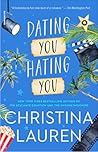
Dating You / Hating You Dating You / Hating You by Christina Lauren
My rating: 5 of 5 stars

⭐⭐⭐⭐⭐

Dating You / Hating You by Christina Lauren

Genre: Contemporary Romance / Romantic Comedy
Rating: ⭐⭐⭐⭐⭐ (5 stars — smart, sharp, and deeply satisfying)

Tagline:
When love collides with ambition, sparks fly—and sabotage follows.

⚔️❤️ Tropes & Story Elements

• Enemies-to-Lovers
• Workplace Romance / Office Rivals
• Forced Proximity (Agency Merger)
• Opposites-but-Equal Ambition
• Romantic Comedy / Rom-Com
• Hollywood / Entertainment Industry Setting 🎬
• Banter-Heavy, High-Chemistry Pairing
• Career vs. Love Conflict

⚠️ Content & Trigger Warnings

• Workplace competition and sabotage
• Power imbalance and job insecurity
• Emotional stress related to careers
• Miscommunication and rivalry
• Mild language and sexual content

πŸ’Ό❤️ Full Thoughts

Dating You / Hating You is Christina Lauren firing on all cylinders: witty, emotionally intelligent, sharply observant, and wildly entertaining. This is a romantic comedy that understands modern adulthood — where love doesn’t exist in a vacuum, and ambition isn’t something you simply switch off for a relationship.

The story begins with a gloriously awkward meet-cute at a Halloween party that immediately establishes tone and chemistry. Carter and Evie’s connection is instant, flirty, and charged with possibility. Their banter flows effortlessly, their attraction feels organic, and for a brief moment, it looks like this might be an easy win for love.

Then reality intervenes.

The reveal that they’re both agents at competing Hollywood firms instantly reframes the romance. Suddenly, attraction exists alongside caution. Chemistry competes with self-preservation. What makes this setup work so well is that neither character is naΓ―ve — they know the risks, and they walk into the relationship anyway.

When their agencies merge and they’re forced to compete for the same position, the story shifts from flirtation to full-blown emotional warfare. Sabotage, rivalry, bruised pride, and simmering resentment take center stage. And this is where the book truly shines.

These aren’t immature characters lashing out for drama’s sake. Carter and Evie are established professionals in their thirties who have worked hard to get where they are. Their fear of losing everything they’ve built feels real, grounded, and painfully relatable. Watching them rationalize bad decisions — and hurt each other while believing they’re protecting themselves — is uncomfortable in the best way.

The banter remains top-tier throughout. Christina Lauren excels at dialogue that’s funny and revealing. Every sharp exchange pulls double duty, delivering laughs while exposing insecurities and power dynamics beneath the surface. The humor never undercuts the emotional stakes — it sharpens them.

Character-wise, both leads are allowed to be flawed.

Carter’s need to be liked, to avoid conflict, and to smooth over problems often puts him at odds with his own desires. Evie’s fierce competitiveness, independence, and refusal to be sidelined make her compelling — but also prone to pushing too hard when vulnerability is required. Neither character is positioned as “more right,” and that balance is crucial to why the romance works.

The Hollywood setting adds a layer of chaotic charm. Eccentric clients, industry absurdity, and behind-the-scenes maneuvering heighten both the comedy and the pressure. It’s not just a backdrop — it actively shapes the characters’ stress, decisions, and sense of identity.

When the emotional payoff finally arrives, it lands because the groundwork has been laid. Growth is shown, not told. Apologies feel earned. Compromise doesn’t mean surrender. Love doesn’t win because ambition disappears — it wins because the characters learn how to coexist with it.

πŸ–€ Themes That Hit Hard

• Career vs. Love — Why choosing one shouldn’t mean abandoning the other
• Ambition Without Villainy — Wanting success doesn’t make you heartless
• Power & Insecurity — How fear distorts good intentions
• Communication vs. Assumption — The damage caused by silence and pride
• Adult Romance — Love between equals who both refuse to shrink

πŸ–€ Final Thoughts

Dating You / Hating You is a rom-com with bite. It’s funny, sexy, emotionally grounded, and smart about the realities of modern relationships — especially for readers who know what it’s like to fight for both love and a career.

This isn’t just enemies-to-lovers.
It’s equals-to-rivals-to-partners.

A standout contemporary romance that proves Christina Lauren knows exactly how to balance heart, humor, and hard truths.


View all my reviews

Tuesday, January 13, 2026

Review: Stepbrother With Benefits 1

Stepbrother With Benefits 1 Stepbrother With Benefits 1 by Mia Clark
My rating: 3 of 5 stars

⭐⭐⭐

Stepbrother With Benefits by Mia Clark

Genre: Contemporary Romance
Rating: ⭐⭐⭐ (3 stars — entertaining, but emotionally light)

Tagline:
A week of no-strings fun… until feelings start ignoring the plan.

❤️πŸ”₯ Tropes & Story Elements

• Step-Family / Taboo Attraction
• Friends-with-Benefits
• Week-Long Arrangement
• Bad Boy / Cocky Hero
• Slow-Burn Chemistry
• Light Heat
• College-Age / Early Adult Vibes

⚠️ Content & Trigger Warnings

• Step-sibling attraction / taboo elements
• Sexual content and romance
• Cocky / arrogant behavior from hero
• Mild emotional conflict and jealousy
• References to hookups and casual arrangements

πŸ”₯ Full Thoughts

Stepbrother With Benefits is a quick, flirty contemporary romance that leans heavily into taboo-adjacent attraction and playful sexual tension rather than deep emotional exploration. It’s a book designed to be consumed fast — something you pick up for heat, banter, and messy attraction rather than layered character arcs.

The central premise is immediately attention-grabbing: a no-strings, one-week friends-with-benefits arrangement between step-siblings who shouldn’t be attracted to each other… and very much are. The setup is bold and intentionally awkward, and the book leans into that discomfort for humor as well as tension. For readers who enjoy taboo romance with a lighter tone, this premise will be the primary draw.

Ethan, the hero, fits squarely into the cocky bad-boy archetype. He’s confident to the point of arrogance, self-aware about his own attractiveness, and rarely questions his effect on others. At times, this swagger is entertaining — it fuels the sexual tension and gives their banter a sharp edge. At other times, it borders on repetitive, especially when his confidence isn’t balanced with enough vulnerability early on.

The heroine’s perspective adds much-needed grounding. Her reactions to Ethan feel believable: annoyance, resistance, denial, and attraction all colliding at once. She’s aware of how inappropriate the situation is, yet also honest with herself about her desire. Those internal contradictions create some of the book’s strongest moments, especially when the narrative leans into the humor of her frustration with herself.

Where the novel succeeds most is in chemistry and pacing. The attraction between the characters is immediate and sustained, and the story moves briskly enough that it never feels dull. The banter is lively, the physical moments are fun and flirty, and the overall tone remains light even when emotional complications start to surface.

However, this is also where the book’s limitations become more apparent. While the premise promises emotional fallout — jealousy, confusion, deeper feelings — those threads are often resolved too quickly. Conflicts arise, but they rarely linger long enough to fully land. The emotional beats feel more like speed bumps than obstacles, which keeps the story enjoyable but prevents it from hitting harder.

The step-sibling aspect, while provocative, ultimately functions more as a tension enhancer than a deeply examined taboo. Readers looking for a nuanced exploration of boundaries, family dynamics, or long-term consequences may find this element underdeveloped. It adds spice and discomfort, but not much complexity.

By the end, the romance feels pleasant rather than powerful. It works in the moment, delivers on flirtation and heat, and offers an entertaining ride — but it doesn’t leave a lasting emotional impression. The story closes neatly, perhaps a bit too neatly, for a setup that initially promised messier consequences.

πŸ–€ Final Thoughts

Stepbrother With Benefits is a solid choice if you’re in the mood for something fun, flirty, and lightly taboo without committing to a heavy emotional journey. It delivers strong chemistry, playful banter, and an easy reading experience — but stops short of the depth that would elevate it beyond a casual romance.

A good palate cleanser between heavier reads, but not one that lingers long after the final page.


View all my reviews