Jess—aka Reviews by Jess—is a sassy, top-ranked Goodreads reviewer who reads a little of everything. From steamy romance to dark fantasy, plus stories featuring mental health, hidden disabilities, and LGBTQ+ rep, she brings bold, unfiltered reviews readers can trust. Expect sass, sparkle, and a TBR that’s about to explode.

Reviews by Jess- Unfiltered. Unapologetic. Unforgettable Reviews.

Thursday, April 9, 2026

Review: The Never King

The Never King

⭐⭐⭐⭐⭐

The Never King by Nikki St. Crowe

Genre: Dark Romance / Dark Fantasy / Reverse Harem

πŸ“’ Tagline

Neverland isn’t magic—it’s a beautifully dangerous trap.

This tagline nails the tone perfectly. It strips away nostalgia and replaces it with something far more seductive and sinister—this is a Neverland that lures you in just to ruin you.


⚔️πŸ’€ Tropes & Story Elements

• Dark Romance πŸ–€
• Reverse Harem / Why Choose
• Peter Pan Retelling
• Enemies to Lovers
• Morally Gray MMCs
• Captive / Captor Dynamics
• Forbidden Desire
• Found Family (Twisted)
• Dark Fantasy
• High Spice / Dark Erotica
• Touch-Her-and-Die

This book doesn’t just use tropes—it weaponizes them. The Peter Pan retelling is completely reimagined into something darker, sharper, and far more dangerous. The reverse harem dynamic isn’t just about attraction—it’s about power, control, and shifting emotional alliances. Every trope feeds into the central theme: nothing here is safe, and nothing is simple.

⚠️ Content & Trigger Warnings

• Graphic sexual content (including dubcon elements)
• Captivity and coercion
• Violence and blood play
• BDSM elements (bondage, submission, CNC)
• Degradation and power imbalance
• Mental health themes
• Strong language

This is not a light or easy read. The content is intentionally dark, pushing boundaries in both emotional and physical dynamics. Power imbalance is central to the story, and many interactions are meant to feel uncomfortable, intense, and morally complex. Readers should go in expecting a story that challenges traditional romance expectations.

🩸 Full Thoughts

The Never King is dark, seductive, and completely consuming—a twisted reimagining that takes everything you thought you knew about Neverland and burns it to the ground.

From the very first chapter, there’s an underlying sense of dread. The legend of the Darling women isn’t whimsical—it’s haunting. The disappearances, the way they return broken, the inevitability of it all—it creates a tone that feels heavy, tense, and impossible to escape.

And when the story shifts into Neverland itself?

It becomes something else entirely.

This world isn’t built on magic and wonder—it’s built on control, danger, and desire. Every interaction feels loaded, every moment carries tension, and the atmosphere is thick with secrets that never fully settle.

The pacing is fast and addictive, pulling you deeper with every chapter. This isn’t a slow unravel—it’s a descent.

⚔️ Atmosphere, Tension & Dark Reimagining

The atmosphere is one of the book’s strongest elements.

Neverland is no longer a place of innocence—it’s alive in a way that feels predatory. The environment itself feels like a character, shaping the tension and reinforcing the sense that there is no real escape.

Everything feels intentional—the danger, the mystery, the emotional unease.

This isn’t just a retelling.

It’s a reclamation of the story into something darker and far more psychologically intense.

πŸ–€ The Heroine — Adaptation, Power & Survival

The heroine’s journey is less about transformation and more about adaptation.

She’s thrown into a world where control is stripped away almost immediately. And instead of collapsing under that pressure, she begins to observe, adjust, and navigate the dynamics around her.

Her strength is subtle at first—but it grows.

What makes her compelling is that she doesn’t instantly take power. She learns how to exist within it, how to survive it, and eventually how to challenge it.

That evolution feels earned within the chaos.

πŸ”₯ The Lost Boys — Chaos, Obsession & Power Dynamics

The Lost Boys are the heartbeat of the story—and they are pure chaos.

Each one brings a distinct energy:
Intensity. Volatility. Control. Obsession.

They aren’t softened or romanticized into something safe. They remain dangerous, unpredictable, and emotionally complex. And that’s exactly what makes them addictive.

The reverse harem dynamic works because it’s layered. Relationships shift, loyalties blur, and the emotional tension never fully settles into comfort.

This is not a stable dynamic.

It’s a volatile one.

🌍 Worldbuilding — Dark Fantasy with Teeth

The worldbuilding is immersive without being overly explained.

You’re not handed all the answers—you’re dropped into the middle of something already in motion. That lack of clarity adds to the tension, reinforcing the idea that this world operates on rules you don’t fully understand.

Magic exists—but it’s not soft or whimsical.

It’s dangerous.

And that danger is felt in every corner of the story.

πŸ”„ Pacing, Heat & Emotional Intensity

The pacing is fast, almost relentless.

There’s very little downtime, which keeps the tension high and the story moving quickly. The spice is bold, unapologetic, and woven directly into the power dynamics of the relationships.

It doesn’t feel separate from the plot—it is part of the plot.

However, the intensity may not work for every reader. This is a story that leans fully into discomfort, imbalance, and emotional chaos—and it doesn’t soften those edges.

πŸ‘₯ Character Dynamics — Twisted Found Family

The found family element exists—but it’s far from traditional.

These relationships are built on tension, control, and shared experience rather than comfort and safety. And that makes them feel raw and unpredictable.

Connection here isn’t gentle.

It’s forged through chaos.

⚖️ Why It Lands at 5 Stars

This book fully delivers on what it promises:

✔ Unique, dark retelling of a familiar story
✔ Addictive, high-tension atmosphere
✔ Morally gray characters that stay true to their nature
✔ Reverse harem dynamic with real complexity
✔ Fast pacing that keeps you hooked
✔ Bold, unapologetic tone that doesn’t hold back

It knows exactly what it is—and it commits to it completely.

πŸ–€ Final Thoughts

The Never King is not a fairytale.

It’s a descent into something darker, more dangerous, and far more addictive. It challenges expectations, blurs moral lines, and pulls you into a world where desire and danger are impossible to separate.

This is for readers who want their romance messy, intense, and a little bit unhinged.

And that ending?

Absolutely brutal.

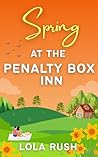
Review: Spring at the Penalty Box Inn: A Cozy Small-Town Hockey Rom-Com

Spring at the Penalty Box Inn: A Cozy Small-Town Hockey Rom-Com

⭐⭐⭐⭐

Spring at the Penalty Box Inn: A Cozy Small-Town Hockey Rom-Com by Lola Rush

Genre: Contemporary Romance / Cozy Hockey Romance

πŸ“’ Tagline

Mud season, messy hearts, and love that refuses to stay benched.

This tagline perfectly captures the tone of the story—soft, grounded, and rooted in real-life messiness. It’s not about dramatic highs—it’s about the quiet, persistent ways love shows up when things get hard.

⚔️πŸ’€ Tropes & Story Elements

• Contemporary Romance πŸ’πŸŒΈ
• Small Town Romance
• Hockey Romance
• FiancΓ© / Established Relationship
• Slow-Burn Devotion
• Found Family
• Cozy Romance
• Community-Centered Story
• Life vs Love Balance
• Emotional Healing

What makes this book stand out trope-wise is its focus on what happens after the “getting together.” Instead of building toward a relationship, it explores how one survives real-life stress, distance, and emotional strain. The hockey element adds texture rather than dominating the plot, while the small-town setting grounds everything in warmth, familiarity, and connection.

This is romance rooted in maintenance, not just momentum.

⚠️ Content & Trigger Warnings

• Mild emotional stress
• Financial struggles
• Relationship strain (distance / time apart)
• Light romantic tension

The stakes here are emotional rather than dangerous. The tension comes from responsibility, burnout, and the fear of losing something meaningful—not through catastrophe, but through slow unraveling. It’s grounded, realistic, and reflective of everyday pressures rather than high drama.

🩸Full Thoughts

Spring at the Penalty Box Inn is the kind of story that wraps around you like a warm blanket—it’s soft, steady, and quietly emotional in a way that lingers.

Instead of relying on dramatic twists or high-stakes conflict, this book leans into something much more relatable: what it feels like when life becomes overwhelming, when everything starts slipping just slightly out of your control, and when love is tested not by betrayal—but by absence and pressure.

The “mud season” setting is incredibly well used. It’s not just seasonal—it’s symbolic. Everything feels stuck, messy, and uncertain, mirroring Holly’s internal state as she tries to hold her world together.

The pacing is gentle, intentionally so, allowing the emotional beats to unfold naturally rather than forcing intensity. This creates a reading experience that feels calm, reflective, and comforting—even when the characters themselves are struggling.

This isn’t a story about dramatic transformation.

It’s about quiet realization.

⚔️ Scale, Stakes & Everyday Pressure

The stakes in this story are small—but deeply personal.

There’s no world-ending threat, no major external danger. Instead, the tension comes from financial strain, emotional burnout, and the fear of losing something meaningful through sheer exhaustion.

And that works beautifully.

Because the pressure feels real.

Saving the inn isn’t just about business—it’s about legacy, identity, and holding onto something that represents family, history, and home. That grounding makes every decision Holly faces feel important, even without high drama.

πŸ–€ Holly — Responsibility, Burnout & Letting Go

Holly is incredibly easy to connect with.

She’s carrying everything—grief, responsibility, expectations—and doing it mostly alone. Her instinct to take on more, to fix everything herself, feels deeply realistic and emotionally honest.

What makes her arc compelling isn’t a dramatic shift—it’s the slow realization that she can’t do it all alone.

Her growth comes from learning to trust, to lean on others, and to accept help without feeling like she’s failing. That kind of emotional journey is subtle, but it resonates.

She doesn’t become someone new.

She becomes someone who allows herself to be supported.

πŸ”₯ Romance — Presence vs Love

This is where the story quietly shines.

Holly and Brad are already in love. Already committed. And that changes everything.

Because the tension isn’t “will they get together?”—it’s “will what they have survive?”

Brad, as a hockey enforcer, brings an interesting dynamic. He’s physically strong, emotionally steady—but his absence becomes the real conflict. His love is clear, but the story asks an important question:

Is love enough… if you’re not there?

Their relationship feels grounded and realistic, built on care rather than constant passion. The emotional weight comes from distance, timing, and the difficulty of showing up when life pulls you in different directions.

It’s soft. It’s steady. And it’s honest.

🌍 Worldbuilding — Small Town, Big Heart

The small-town setting is one of the strongest elements of the book.

It feels lived-in, warm, and supportive without becoming overly idealized. The community acts as an extension of the found-family trope, offering both emotional grounding and practical support.

The inn itself is central—not just as a location, but as a symbol of everything Holly is trying to protect.

This isn’t expansive worldbuilding.

It’s intimate—and that’s exactly what the story needs.

πŸ”„ Pacing, Tone & Cozy Execution

The pacing is intentionally slow and gentle.

This isn’t a fast-moving, high-conflict romance. It takes its time, allowing emotions to build gradually and conflicts to resolve in a way that feels natural rather than dramatic.

For readers expecting high stakes or intense spice, this may feel too soft.

But for readers who enjoy cozy, character-driven stories?

It works perfectly.

The tone stays consistent throughout—warm, reflective, and quietly emotional.

πŸ‘₯ Character Ensemble — Community & Found Family

The supporting cast adds depth and warmth to the story.

The found-family element isn’t just present—it’s essential. Holly’s journey is shaped not only by her relationship with Brad, but by the people around her who step in, support her, and remind her she doesn’t have to carry everything alone.

These relationships reinforce the central theme of the book:

Love isn’t just romantic—it’s communal.

⚖️ Why It Lands at 4 Stars

This book does a lot right—but its tone will determine how much it resonates:

✔ Strong emotional realism
✔ Cozy, comforting atmosphere
✔ Unique focus on maintaining a relationship
✔ Well-developed small-town setting
✔ Relatable heroine and internal conflict

➖ Slower pacing may not work for all readers
➖ Lower external stakes
➖ Light on spice and high drama

It’s not meant to be intense—it’s meant to be felt.

πŸ–€ Final Thoughts

Spring at the Penalty Box Inn is a soft, heartfelt romance that leans into comfort, connection, and emotional honesty.

It’s about showing up. Letting go. And learning that love isn’t always loud or dramatic—it’s often found in the quiet moments where someone stays, supports, and chooses you again and again.

This is a perfect read for when you want something warm, grounded, and genuinely comforting.