Jess—aka Reviews by Jess—is a sassy, top-ranked Goodreads reviewer who reads a little of everything. From steamy romance to dark fantasy, plus stories featuring mental health, hidden disabilities, and LGBTQ+ rep, she brings bold, unfiltered reviews readers can trust. Expect sass, sparkle, and a TBR that’s about to explode.

Reviews by Jess- Unfiltered. Unapologetic. Unforgettable Reviews.

Monday, May 18, 2026

Review: Once Upon a Demon's Heart

Once Upon a Demon's Heart

⭐⭐⭐

Once Upon a Demon's Heart by K.M. Moronova

Genre: Dark Romantasy / Fantasy Romance

📢 Tagline

A cursed love trapped between death, guilt, and destiny.

This tagline perfectly captures the emotional core of the story. At its heart, Once Upon a Demon's Heart is about two broken people caught in an endless cycle of violence, regret, and fate, desperately trying to find a different path before history destroys them both.


⚔️💀 Tropes & Story Elements

• Dark Romantasy 🖤⚔️
• Enemies-to-Lovers
• Time Loop
• Arranged Marriage
• Demon x Demigod
• Forbidden Love
• Morally Gray MMC
• Fate & Destiny
• Slow Burn Romance
• Political Fantasy

This book combines several beloved romantasy tropes into a story centered on emotional torment and impossible choices. The time-loop element adds a unique twist to the enemies-to-lovers dynamic, forcing the characters to relive the consequences of war and hatred while slowly uncovering truths that challenge everything they've believed.

The arranged marriage trope works especially well here because it traps two enemies together, forcing them to confront not only each other, but their own guilt, grief, and prejudices.

⚠️ Content & Trigger Warnings

• Violence and death
• War themes
• Emotional trauma and guilt
• Blood and gore
• Toxic relationship dynamics
• Religious/god manipulation themes
• Sexual tension and mature themes

This is a darker fantasy romance where emotional suffering is woven into nearly every aspect of the narrative. Themes of guilt, manipulation, and loss drive much of the story, creating an atmosphere that feels heavy, tragic, and often emotionally exhausting.

🩸 Full Thoughts

Once Upon a Demon's Heart is a romantasy built on suffering, longing, and the desperate hope that love might somehow survive despite every reason it shouldn't. K.M. Moronova creates a world where guilt is as dangerous as any weapon and where fate repeatedly forces two enemies together, even as history tries to tear them apart.

The premise is immediately compelling.

A demigod knight trapped in a time loop, repeatedly murdered by the same man, eventually deciding that the only way to break the cycle may be to marry him?

That's the kind of setup that instantly grabs your attention.

And for much of the book, that premise carries a tremendous amount of emotional weight.

The story thrives when it focuses on the emotional damage both characters carry and the impossible choices they're forced to make. There's a constant feeling of tragedy hanging over everything, creating an atmosphere that's equal parts romantic and heartbreaking.

Unfortunately, while the emotional themes are strong, the execution doesn't always maintain the same momentum throughout the story.

Time Loop, Death & Emotional Exhaustion

The time-loop concept is easily one of the strongest elements of the novel.

Watching Alira die over and over again at Kalel's hands creates an immediate sense of urgency and emotional investment. Each repeated death chips away at her certainty, her faith, and eventually her willingness to continue accepting the world as it is.

The psychological impact of the loop is where the story shines.

Rather than treating the repeated deaths as a gimmick, Moronova explores how endless failure and suffering affect Alira emotionally. Her desperation becomes tangible. Her exhaustion feels earned. You can understand why she eventually becomes willing to consider choices that once seemed impossible.

The concept also creates an interesting tension because readers are constantly questioning whether fate can actually be changed—or whether everyone is simply trapped playing roles that were chosen for them long ago.

🖤 Alira — Guilt, Faith & Survival

Alira is a heroine defined by guilt.

Her involvement in the destruction of Thornhall haunts nearly every decision she makes, and much of her emotional journey revolves around trying to reconcile who she thought she was with the reality of what she's done.

That internal conflict makes her compelling.

She's not simply trying to survive the time loop.

She's trying to survive herself.

Her devotion to duty, her belief in her cause, and her overwhelming guilt all collide throughout the story, creating a protagonist whose struggles feel emotionally authentic even when the plot becomes increasingly fantastical.

What I appreciated most was that her pain never felt performative. The guilt genuinely shapes her worldview and influences her choices, making her emotional arc one of the strongest aspects of the novel.

🔥 Kalel — Dangerous, Tragic & Difficult to Trust

Kalel fits comfortably into the morally gray romantasy hero archetype.

He's cruel. Dangerous. Emotionally closed off. And for much of the book, nearly impossible to trust.

Yet beneath that cruelty is a character carrying his own pain, anger, and unresolved grief.

His relationship with Alira is built on layers of resentment, misunderstanding, and attraction that neither of them particularly wants to acknowledge. Their chemistry comes less from flirtation and more from emotional tension—two people who should hate each other discovering that the truth may be far more complicated.

The problem is that while the tension remains strong, the relationship occasionally feels stuck in the same emotional cycle for too long. The push-and-pull dynamic works initially, but repeated internal conflicts sometimes slow the progression of the romance.

Still, Kalel remains one of the book's most interesting elements, especially as more of his motivations and vulnerabilities begin coming to light.

🌍 Worldbuilding — Ambitious but Uneven

The fantasy world itself is filled with interesting ideas.

The conflict between demons and demigods, the influence of divine beings, and the political tensions between kingdoms all provide a solid foundation for the story. There are hints of larger mythologies and deeper histories that suggest a rich world beyond the immediate narrative.

However, this is also where the book occasionally struggles.

Some sections become heavily focused on lore, politics, or exposition, which slows the pacing considerably. While the information is important, it sometimes feels disconnected from the emotional momentum driving the main story.

The gods' involvement in events is particularly intriguing, but I found myself wanting a deeper emotional connection to some of the larger political and mythological revelations.

The pieces are there.

They just don't always come together as smoothly as they could.

💔 Romance, Yearning & Emotional Repetition

The romance is undeniably the emotional centerpiece of the novel.

The arranged marriage forces proximity between two enemies carrying enormous emotional baggage, and the resulting tension is often excellent. The yearning is constant. The attraction feels dangerous. Every moment of vulnerability carries weight because both characters have legitimate reasons not to trust each other.

When the romance works, it works very well.

The problem is that some of the emotional beats begin repeating themselves over time.

The cycle of attraction, denial, guilt, resentment, and longing occasionally circles the same territory without significantly advancing the relationship. This creates moments where the emotional tension remains high, but the actual progression feels slower than it should.

The chemistry never disappears.

It just occasionally feels trapped in the same loop as the characters themselves.

🔄 Pacing, Structure & Momentum

The pacing is probably where the book lost the most ground for me.

The opening is incredibly strong, and the central premise creates immediate intrigue. However, the middle portion occasionally slows under the weight of repeated emotional conflicts and heavier worldbuilding sections.

There are still plenty of engaging moments throughout, but the momentum isn't always consistent.

Some scenes feel emotionally powerful and unforgettable, while others feel like variations of conversations or internal struggles we've already seen.

As a result, the book sometimes feels longer than it actually is.

⚖️ Why It Lands at 3 Stars

This book has a lot going for it:

✔ Excellent time-loop premise
✔ Strong emotional atmosphere
✔ Compelling enemies-to-lovers tension
✔ Interesting morally gray hero
✔ Themes of guilt, fate, and redemption

However:

➖ Repetitive emotional conflicts
➖ Uneven pacing throughout the middle
➖ Worldbuilding that occasionally overwhelms the narrative
➖ Romance progression that sometimes feels stalled

There are moments where this story feels like a five-star read.

Unfortunately, the pacing and repetition prevented it from fully reaching that level for me.

🖤 Final Thoughts

Once Upon a Demon's Heart is a dark, emotionally charged romantasy filled with curses, guilt, destiny, and impossible love.

Its strongest moments come from the emotional damage both characters carry and the fascinating time-loop premise that forces them to repeatedly confront their failures, grief, and prejudices. While the romance and atmosphere remain compelling throughout, pacing issues and repetitive emotional cycles keep the story from reaching its full potential.

Still, readers who love tortured characters, morally gray heroes, forbidden love, and tragic fantasy romance will likely find plenty to enjoy.

It's messy. It's painful. It's full of yearning.

And sometimes, that's exactly what dark romantasy readers are looking for.

Saturday, May 16, 2026

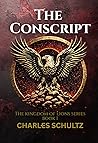
Review: The Conscript

The Conscript

⭐⭐⭐⭐⭐

The Conscript by Charles Schultz

Genre: Dystopian Fantasy / Sci-Fi Fantasy

📢 Tagline

They promised leadership training. They delivered survival.

This tagline perfectly captures the core tension of the story—what begins as an opportunity quickly transforms into something far darker, more dangerous, and far more manipulative than anyone expected.


⚔️💀 Tropes & Story Elements

• Dystopian Fantasy ⚔️
• Sci-Fi Fantasy Blend
• Deadly Trials
• Hidden Truths / Government Secrets
• Found Family
• Coming-of-Age
• Survival Competition
• Political Intrigue
• Academy / Training Program
• Slow-Burn Character Growth

This book blends dystopian survival tension with fantasy and sci-fi elements in a way that feels immersive and cinematic. The training-program setup immediately hooks you, but what makes the story work so well is how quickly the polished surface begins to crack. Beneath the promises of leadership and opportunity lies manipulation, corruption, and a system designed to control far more than it protects.

The deadly-trial structure keeps the stakes consistently high while the emotional and political layers deepen with every chapter.

⚠️ Content & Trigger Warnings

• Violence and death
• Psychological manipulation
• Survival situations
• Emotional trauma
• Government corruption themes
• Mild romantic themes

The story explores survival under oppressive systems, and much of the emotional tension comes from realizing how deeply manipulation and control shape the world around the characters. The violence and danger throughout the trials create constant tension, while the psychological pressure of the system adds another layer of unease beneath the action.

🩸 Full Thoughts

The Conscript is the kind of dystopian fantasy that immediately pulls readers into its world and keeps tightening the tension with every new revelation. It combines survival-based trials, political deception, emotional growth, and dangerous hidden truths into a story that feels both classic and refreshingly modern.

At first, Dantin’s life inside Section 8 feels structured and almost comfortingly controlled. The dome provides safety, routine, and predictability. But that sense of order quickly begins to fracture the moment he’s selected for the Conscript program.

And once the cracks begin forming?

The story never stops escalating.

What initially appears to be a prestigious opportunity slowly reveals itself as something far more sinister. The deeper Dantin gets pulled into training, the more obvious it becomes that the government isn’t simply preparing future leaders—it’s hiding something dangerous beneath carefully manufactured loyalty and control.

That constant feeling of unease becomes one of the book’s strongest elements.

⚔️ Trials, Survival & Rising Stakes

The training and survival sequences are easily some of the most compelling parts of the book.

Every challenge feels purposeful rather than repetitive, constantly pushing the characters physically, emotionally, and psychologically. The tests aren’t simply about strength or intelligence—they’re about obedience, adaptability, sacrifice, and survival under pressure.

And what makes these sequences especially effective is how they continuously reveal pieces of the larger truth surrounding Natio and the Conscript system itself.

The danger feels real.

The consequences feel permanent.

And the escalating intensity keeps the pacing consistently engaging from beginning to end.

There’s also this constant underlying paranoia threaded through the story. Long before the full truth is revealed, you can feel that something about the system is deeply wrong—and that tension gives every interaction additional weight.

🖤 Dantin — Growth, Doubt & Identity

Dantin works so well as a protagonist because he feels genuinely human throughout the story.

He isn’t written as instantly heroic or exceptionally gifted beyond everyone else around him. Instead, he feels like someone trying to survive while slowly realizing that everything he’s been taught may be built on lies.

His emotional growth is gradual and believable.

At the start, he’s still shaped heavily by the controlled environment he was raised in, trusting the structure around him because he doesn’t fully know anything else. But as the trials intensify and the cracks in the system widen, he’s forced to question not only the government—but himself, his loyalties, and the kind of person he wants to become.

That internal conflict gives the story emotional depth beyond the survival elements alone.

Watching him shift from sheltered recruit into someone capable of challenging authority and fighting for truth feels incredibly satisfying.

🌍 World building — Controlled Perfection & Hidden Corruption

The world building is immersive without becoming overwhelming.

Heart City and the sixteen Sections feel expansive and believable, creating a dystopian society that feels carefully engineered rather than randomly oppressive. The structure of the world adds realism to the political tension because the system feels organized enough that people genuinely believe it exists for their protection.

Which makes the hidden corruption even more unsettling.

The dome itself becomes symbolic of the story’s larger themes—safety built on control, protection masking manipulation, and truth hidden behind manufactured order.

The sci-fi and fantasy elements blend naturally together, creating a setting that feels cinematic while still remaining emotionally grounded through Dantin’s perspective.

🔄 Pacing, Tension & Escalation

The pacing is one of the book’s biggest strengths.

The story steadily raises the stakes without losing focus on character development, allowing emotional investment to build alongside the action and mystery. Every new challenge reveals another layer of danger, and every revelation pushes the story into darker territory.

The twists land especially well because the book spends time developing both the world and the relationships before pulling the rug out from under the reader.

There’s always momentum.

Always another layer unfolding.

Always the feeling that survival alone may not be enough.

👥 Character Dynamics — Trust, Betrayal & Found Family

The found-family dynamics add real emotional weight to the story.

As Dantin forms friendships and alliances throughout the Conscript, those relationships become increasingly important because survival depends on trust in a world specifically designed to manipulate it.

What makes these dynamics work so well is that they never feel guaranteed.

Every alliance carries uncertainty.

Every friendship feels vulnerable to betrayal.

And because the system itself encourages competition and secrecy, even emotional connections feel risky.

That constant emotional tension strengthens the entire story.

⚖️ Why It Lands at 5 Stars

This book succeeds because it balances emotional growth with high-stakes survival exceptionally well:

✔ Addictive survival-trial structure
✔ Strong coming-of-age character arc
✔ Excellent political tension and hidden truths
✔ Immersive dystopian worldbuilding
✔ Emotional found-family dynamics
✔ Steady pacing and escalating stakes

It captures the addictive tension of classic dystopian survival stories while still building an identity fully its own.

🖤 Final Thoughts

The Conscript is an intense, emotionally engaging dystopian fantasy that delivers survival, political deception, dangerous trials, and meaningful character growth in equal measure.

It’s the kind of story that constantly keeps readers questioning the system, the motives behind the training, and who can truly be trusted once survival becomes more important than obedience.

Dark, suspenseful, and impossible to stop reading—this is dystopian fantasy done right.

Wednesday, May 13, 2026

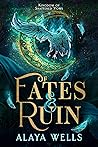
Review: Of Fates & Ruin

Of Fates & Ruin

⭐⭐⭐⭐⭐

Of Fates & Ruin by Alaya Wells

Genre: Romantasy / Fantasy Romance

📢 Tagline

She came for revenge… and found herself bound to the enemy king.

This tagline perfectly captures the emotional conflict at the center of the story—revenge colliding headfirst with attraction, loyalty unraveling under truth, and a heroine forced to question everything she thought she knew.

⚔️💀 Tropes & Story Elements

• Romantasy 🖤⚔️
• Enemies-to-Lovers
• Hidden Identity
• Deadly Magical Trials
• Fae Courts
• Beast Bonding
• Forced Proximity
• Found Family
• Court Intrigue
• Slow-Burn Spice
• Touch-Her-and-Die
• Morally Gray MMC

This book delivers exactly the kind of high-stakes romantasy readers crave. The enemies-to-lovers tension is razor sharp, the fae court atmosphere drips with danger and deception, and the deadly-trial structure keeps the stakes consistently high. Every trope works together to create emotional intensity rather than simply existing for aesthetic appeal.

And the morally gray king?

Absolutely feral romantasy perfection.

⚠️ Content & Trigger Warnings

• Blood and gore
• Violence and death
• Grief and loss of family
• Magical warfare
• Injuries and attacking creatures
• Emotional trauma
• On-page sexual content

The world of Of Fates & Ruin is dangerous from the very beginning. Violence is constant, the emotional trauma runs deep, and survival is never guaranteed. The grief driving the heroine’s actions gives the story emotional weight beneath the romance and action, grounding the fantasy elements in something deeply personal.

🩸 Full Thoughts

Of Fates & Ruin is one of those romantasy books that immediately sinks its claws into you and refuses to let go. It’s tense, addictive, emotionally sharp, and packed with the exact kind of dangerous chemistry that makes enemies-to-lovers readers completely lose their minds.

From the opening chapters, the story establishes a world built on vengeance, lies, and shifting loyalties. The heroine enters enemy territory fully convinced she understands who deserves her hatred—only for every truth she’s built herself around to slowly begin unraveling.

And honestly?

That unraveling is what makes this book so compelling.

Because the deeper she’s pulled into the fae court, the more unstable everything becomes. Alliances blur. Truths fracture. Motives become impossible to fully trust. And through all of it, the emotional tension only grows stronger.

The pacing is relentless in the best way. The deadly trials, magical creatures, political manipulation, and romantic tension all feed into one another seamlessly, creating a story that constantly feels like it’s escalating.

This book absolutely understood the assignment.

⚔️ Trials, Magic & High-Stakes Survival

The Rite trials are one of the strongest aspects of the story.

Every challenge feels dangerous, emotionally charged, and politically significant. Survival isn’t just about physical strength—it’s about strategy, adaptability, and understanding who can be trusted when everyone seems to be hiding something.

The magical creatures and beast-bonding elements add another layer of excitement to the worldbuilding. These moments don’t just exist for spectacle—they strengthen the emotional stakes while expanding the fantasy atmosphere in a way that feels immersive and cinematic.

And the action scenes?

Sharp, vivid, and easy to visualize.

The danger never feels performative.

It feels real.

🖤 The Heroine — Grief, Fury & Identity

The heroine is incredibly satisfying to follow because her emotional journey feels layered and believable.

Her grief fuels almost every decision she makes in the beginning, but what makes her compelling is her willingness to question herself once cracks begin forming in the narrative she’s always believed. She isn’t blindly stubborn for the sake of plot tension—her emotional conflict feels earned.

She’s fierce, angry, emotionally guarded, and deeply driven by loss, but beneath all of that is someone trying to figure out who she is once revenge stops being the only thing keeping her moving.

Her strength comes not just from surviving the trials, but from confronting uncomfortable truths—even when those truths threaten everything she thought she wanted.

🔥 King Trewyn — Cocky, Dangerous & Completely Obsessed

King Trewyn absolutely steals this book.

He’s arrogant, emotionally reckless in the best way, infuriatingly charming, and dripping with morally gray energy from the moment he appears. And yet beneath all of the cockiness is a character who feels far more emotionally layered than he initially lets people see.

The fact that he reacts to being stabbed like it’s flirting honestly tells you everything you need to know about him.

His dynamic with the heroine is enemies-to-lovers perfection because the tension never fully disappears—even when attraction becomes undeniable. Every interaction feels loaded with challenge, chemistry, emotional conflict, and the constant uncertainty of whether trust is even possible between them.

And the obsession?

Absolutely immaculate.

🌍 Worldbuilding — Dangerous Fae Courts & Hidden Truths

The worldbuilding strikes a really strong balance between immersive and accessible.

The fae courts feel glamorous and deadly at the same time, full of illusion, manipulation, and political tension simmering beneath every interaction. There’s a constant feeling that no one is fully telling the truth, which strengthens both the suspense and the romance.

The fantasy elements are layered naturally into the story without overwhelming the emotional core. The lore, magical systems, and court politics all serve the characters and their emotional arcs rather than distracting from them.

And the atmosphere?

Absolutely dripping with tension.

🔄 Pacing, Romance & Emotional Tension

The pacing is one of the book’s biggest strengths.

The story moves quickly, but never so fast that emotional moments lose impact. The romance is slow burn done exceptionally well—built through survival, emotional vulnerability, and reluctant trust rather than instant attraction alone.

Which makes every crack in their defenses hit so much harder.

The emotional push-pull between revenge and desire keeps the tension constantly simmering beneath the surface. Even quieter scenes feel charged because neither character fully knows where they stand emotionally—or politically.

And honestly?

That uncertainty makes the chemistry even better.

👥 Character Dynamics — Loyalty, Found Family & Shifting Alliances

The supporting cast adds depth to the story without overshadowing the central relationship.

The found-family elements develop gradually, built through shared survival and earned trust rather than instant loyalty. Meanwhile, the political alliances remain unstable enough that every interaction carries underlying tension.

No relationship feels entirely safe.

And in a story built on secrets and betrayal, that unpredictability works beautifully.

⚖️ Why It Lands at 5 Stars

This book absolutely delivers for romantasy readers:

✔ Addictive enemies-to-lovers tension
✔ Morally gray king with elite obsession energy
✔ Deadly magical trials that actually feel dangerous
✔ Strong emotional character development
✔ Immersive fae-court atmosphere
✔ Excellent balance of romance, action, and political intrigue

It takes familiar romantasy elements and executes them with confidence, emotional intensity, and nonstop tension.

🖤 Final Thoughts

Of Fates & Ruin is dangerous, emotional, and wildly addictive romantasy done right.

Between the deadly trials, beast bonds, hidden identities, obsessive king, and emotionally charged slow burn, this story delivers exactly the kind of tension-heavy fantasy romance that keeps readers completely consumed from beginning to end.

It’s brutal. Romantic. Politically messy. Emotionally sharp.

And absolutely impossible to put down.

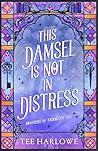
Review: This Damsel Is Not in Distress

This Damsel Is Not in Distress

⭐⭐⭐⭐

This Damsel Is Not in Distress by Tee Harlowe

Genre: Cozy Romantasy / Fantasy Romance

📢 Tagline

A runaway princess, a cursed castle, and a guard she should never want.

This tagline perfectly captures the heart of the story—fairytale energy wrapped in cozy chaos, forbidden attraction, and a magical setting that feels just as alive as the characters themselves.

⚔️💀 Tropes & Story Elements

• Cozy Romantasy ✨🏰
• Grumpy x Sunshine
• Forbidden Romance
• Bodyguard Romance
• Forced Proximity
• Sentient Castle
• Magical Trials & Secrets
• Slow Burn
• Found Family
• Fantasy Adventure
• Spice with Heart

This book blends classic fantasy romance elements with a softer, more whimsical tone that makes it feel warm and inviting without losing emotional depth. The forbidden bodyguard romance adds tension, while the sentient castle gives the story its own unique personality and charm. Instead of relying on nonstop battles or epic war sequences, the story leans into atmosphere, character relationships, magical unpredictability, and emotional growth.

The result is a romantasy that feels comforting while still keeping readers emotionally invested.

⚠️ Content & Trigger Warnings

• War and displacement themes
• Emotional trauma and anxiety
• Mild violence and peril
• Sexual content (consensual)
• Claustrophobic / maze-like settings

While the tone stays relatively cozy overall, there’s still emotional weight beneath the whimsy. Themes of displacement, uncertainty, and survival give the story grounding, especially for Niamh, whose emotional struggles shape much of her journey. The magical castle also creates moments of tension and disorientation that add to the story’s mysterious atmosphere.

🩸 Full Thoughts

This Damsel Is Not in Distress is charming, magical, and delightfully chaotic in the exact way cozy romantasy should be. Tee Harlowe creates a story that feels whimsical and adventurous while still carrying enough emotional depth to keep the romance and character arcs meaningful.

From the moment Niamh enters the castle, the story takes on this wonderfully unpredictable energy. There’s always the sense that something strange or magical is waiting around the next corner—sometimes comforting, sometimes dangerous, but always entertaining.

The tone strikes a strong balance between lighthearted fantasy and emotional vulnerability. The cozy atmosphere never fully erases the underlying tension surrounding Niamh’s situation, which keeps the story emotionally grounded even during its more playful moments.

And honestly?

The castle itself becomes one of the most memorable parts of the entire book.

⚔️ Atmosphere, Magic & Cozy Chaos

The atmosphere is where this story truly shines.

The sentient castle transforms the setting into something dynamic and alive rather than just decorative background scenery. The shifting hallways, disappearing rooms, hidden doors, magical traps, and constant unpredictability create a sense of wonder that carries through the entire narrative.

There’s an almost fairytale-like quality to the magic—whimsical, mysterious, and occasionally a little dangerous. It gives the story a playful tone while still maintaining enough uncertainty to keep readers engaged.

The magical elements never feel overly complicated or heavy with exposition. Instead, the worldbuilding unfolds naturally through exploration and interaction, which fits perfectly with the cozy fantasy atmosphere.

And the bookwyrm?

Absolutely adorable scene-stealer energy.

🖤 Niamh — Vulnerability, Courage & Self-Discovery

Niamh is such an easy heroine to connect with because she feels emotionally honest.

She’s frightened, uncertain, and carrying the weight of survival long before the story even begins. But despite that vulnerability, she refuses to completely give up her spirit. Her humor, stubbornness, and determination keep her grounded even when everything around her feels unstable.

What makes her arc satisfying is that it focuses on self-discovery rather than sudden empowerment. She doesn’t wake up magically fearless. Instead, she slowly begins recognizing her own strength through the choices she makes and the people she allows herself to trust.

The title itself becomes part of her journey.

This isn’t a story about waiting for rescue.

It’s about realizing she’s far more capable than she’s been allowed to believe.

🔥 Rafe — Broody Loyalty & Slow-Burn Tension

Rafe is exactly the kind of grumpy bodyguard MMC cozy romantasy readers love.

He’s protective, guarded, deeply loyal, and constantly trying to maintain emotional distance despite clearly caring far more than he wants to admit. His more grounded personality balances out the magical chaos surrounding them, which makes his dynamic with Niamh work especially well.

Their romance develops naturally through proximity, banter, and growing trust rather than instant attraction alone. The slow burn feels earned because it’s built on emotional connection as much as chemistry.

And the chemistry is there.

It’s quieter and softer than darker romantasy pairings, but that actually works in the story’s favor. The tension builds steadily through lingering moments, emotional vulnerability, and the growing realization that neither of them is as emotionally guarded as they pretend to be.

🌍 Worldbuilding — Whimsical but Emotionally Grounded

The worldbuilding focuses more on atmosphere and emotional immersion than expansive political systems or complicated lore.

And honestly?

That choice works perfectly for this story.

The magical castle acts almost like its own ecosystem, creating enough mystery and wonder to keep the setting engaging without overwhelming the reader with information. The fantasy world feels lived-in, but the focus remains firmly on character relationships and emotional stakes.

Even the magical trials and hidden secrets serve more as extensions of the characters’ journeys than purely plot-driven obstacles.

🔄 Pacing, Tone & Cozy Fantasy Balance

The pacing is intentionally softer than traditional high-action romantasy.

This is not a nonstop battle-heavy fantasy with constant political warfare or massive external conflict. Instead, the story prioritizes emotional progression, magical exploration, and relationship development.

For readers expecting epic fantasy intensity, the slower pacing may feel too gentle at times.

But for readers looking for cozy fantasy romance with emotional warmth and whimsical energy?

It absolutely delivers.

The balance between romance, humor, magic, and emotional growth is handled especially well.

👥 Character Dynamics — Found Family & Emotional Warmth

The found-family elements add so much charm to the story.

The relationships surrounding Niamh help reinforce the emotional themes of safety, belonging, and learning to trust others after surviving instability and fear. Even within the magical chaos of the castle, there’s an emotional warmth running underneath the story that makes it feel comforting.

These dynamics help keep the story emotionally grounded even when the magic becomes unpredictable.

⚖️ Why It Lands at 4 Stars

This book succeeds beautifully at delivering cozy romantasy vibes:

✔ Unique sentient-castle setting
✔ Warm, whimsical atmosphere
✔ Strong grumpy/sunshine chemistry
✔ Emotionally grounded heroine
✔ Charming magical elements and found family

➖ Softer pacing may not work for readers wanting epic fantasy intensity
➖ Lower external stakes compared to darker romantasy

It’s not trying to be brutal or emotionally devastating.

It’s trying to feel magical, comforting, and emotionally sincere—and it succeeds.

🖤 Final Thoughts

This Damsel Is Not in Distress is cozy romantasy at its most charming.

It’s whimsical without losing emotional depth, romantic without rushing the slow burn, and magical in a way that feels playful rather than overwhelming. Between the sentient castle, the grumpy bodyguard, the cozy chaos, and the emotional heart at the center of the story, this book becomes an incredibly comforting fantasy escape.

Sweet, adventurous, and full of warmth—this is the kind of romantasy that feels like curling up inside a fairytale.

Thursday, May 7, 2026

Review: Torment: Part One

Torment: Part One

⭐⭐⭐⭐⭐

Torment: Part One by Dylan Page

Genre: Dark Romance / MC Romance / Psychological Romance

📢 Tagline

When your protector becomes your destruction, there’s no safe place left to run.

This tagline captures the emotional core of the story perfectly. This isn’t just about forbidden love—it’s about the terrifying collapse of trust when the person meant to protect you becomes the source of your deepest damage.


⚔️💀 Tropes & Story Elements

• Dark Romance 🖤
• MC Romance / Motorcycle Club
• Taboo Romance
• Step-Siblings
• Psychological Thriller
• Age Gap
• Grooming & Manipulation
• Forbidden Love
• Love Triangle
• Slow Burn
• Morally Gray Characters
• Trauma-Heavy Romance

This book dives fully into the darkest corners of the romance genre and never attempts to soften its themes. The taboo dynamics are not included for shock alone—they shape the emotional and psychological framework of the story itself. The slow-burn tension is built less on sweetness and more on emotional dependency, obsession, and blurred power dynamics.

The MC backdrop amplifies everything, creating an atmosphere where violence, loyalty, and control are deeply normalized. This is not a romance rooted in safety—it’s rooted in emotional chaos and psychological conflict.

⚠️ Content & Trigger Warnings

• Domestic abuse
• Sexual assault
• PTSD, depression, and anxiety disorders
• Grooming and manipulation
• Gang violence and criminal activity
• Emotional and psychological trauma
• Profanity and graphic content

These warnings are absolutely essential for this book. The trauma within the story is graphic, emotionally intense, and often deeply uncomfortable. Abuse and manipulation are not romanticized as healthy—they are portrayed as destructive, cyclical, and psychologically damaging. Readers should go into this understanding that the story intentionally explores toxic dynamics in disturbing and emotionally heavy ways.

🩸 Full Thoughts

Torment: Part One is one of those books that leaves you emotionally exhausted in the best—and worst—ways possible. It’s dark, toxic, psychologically intense, and completely consuming from beginning to end.

Dylan Page doesn’t ease readers into this world.

She throws you directly into dysfunction, violence, manipulation, and emotional instability, creating an atmosphere that feels oppressive almost immediately. There’s a constant sense of dread woven through the story, like you know something terrible is coming long before the characters themselves fully realize it.

And that emotional heaviness?

It never truly lifts.

What makes this book so compelling is how deeply it commits to the darkness. It doesn’t sanitize toxic relationships into something prettier or easier to digest. Instead, it forces readers to sit inside the confusion, attachment, fear, and emotional dependency that trauma can create.

It’s uncomfortable.

And that’s exactly why it works.

⚔️ Atmosphere, Violence & Psychological Oppression

The atmosphere in this book is suffocating in a way that feels entirely intentional.

The MC environment isn’t romanticized into rebellion or freedom—it feels dangerous, unstable, and deeply rooted in cycles of violence and control. The Celtic Beasts operate less like charming antiheroes and more like men shaped by brutality, loyalty, and survival.

That constant danger bleeds into every aspect of the story.

Even quieter scenes carry tension because there’s always the feeling that something could explode emotionally or physically at any moment. The violence doesn’t exist just for shock value—it reinforces the emotional instability of the world these characters live in.

The result is a story that feels psychologically claustrophobic from beginning to end.

🖤 The Heroine — Trauma, Attachment & Emotional Conflict

The heroine’s emotional journey is the true heart of the book.

What makes her compelling is how realistic her emotional conflict feels. Her attachment to Shay isn’t simple—it’s tangled up in fear, history, dependence, longing, and years of manipulation. She understands pieces of the toxicity around her, but understanding something intellectually doesn’t immediately sever emotional attachment.

And the book handles that complexity incredibly well.

Her confusion, guilt, fear, and longing feel painfully authentic, especially as she slowly begins recognizing how broken the dynamics around her truly are. There’s no instant empowerment arc here. No sudden clarity.

Instead, her emotional unraveling feels gradual, messy, and devastatingly human.

🔥 Shay — Possession, Control & Moral Collapse

Shay is not designed to be a “safe” dark romance hero.

He is possessive, manipulative, emotionally volatile, and deeply damaged—and the story never pretends otherwise. His relationship with the heroine constantly blurs the line between protection and control, affection and destruction.

And that’s what makes him so psychologically compelling.

He’s terrifying at times because his obsession feels genuine. Twisted, toxic, harmful—but real. His need for control often comes disguised as protection, which creates some of the book’s most emotionally devastating moments.

This is not the kind of romance built on healing.

It’s built on emotional dependency, trauma bonding, and the terrifying pull of loving someone capable of hurting you.

🌍 Worldbuilding — Grit, Loyalty & MC Culture

The MC setting adds enormous weight to the story.

The Celtic Beasts feel dangerous and unpredictable in a way that strengthens the emotional tension rather than distracting from it. The culture of loyalty, violence, and silence surrounding the club reinforces the feeling that the heroine is trapped inside a system much larger than herself.

This isn’t glamorized outlaw fantasy.

It’s gritty, unstable, and emotionally corrosive.

And that realism makes the darker elements hit even harder.

🔄 Pacing, Tension & Emotional Spiral

The pacing is slow-burn, but emotionally relentless.

Rather than relying on nonstop action, the story builds psychological tension gradually, layering emotional conflict, manipulation, and dependency until everything feels unbearably heavy.

The emotional escalation is what makes the book so addictive.

Every interaction feels loaded with subtext. Every moment of affection feels dangerous because of what’s hiding underneath it. The tension comes less from wondering what will happen and more from wondering how bad things will become once they finally do.

And when the emotional explosions happen?

They hit hard.

👥 Character Dynamics — Toxicity, Loyalty & Emotional Damage

The relationships in this book are intentionally messy and morally complicated.

No one feels emotionally untouched by the world they’re living in. Every character carries damage, and those wounds shape how they love, protect, manipulate, and survive.

The love triangle elements add another layer of emotional conflict, especially because affection and danger are so tightly intertwined throughout the story. Trust never feels fully secure, which keeps the emotional tension constantly simmering beneath the surface.

These aren’t healthy relationships.

They’re emotionally volatile ones.

And the story fully commits to that reality.

⚖️ Why It Lands at 5 Stars

This book succeeds because it refuses to dilute its darkness:

✔ Emotionally intense and psychologically immersive
✔ Deep exploration of trauma and manipulation
✔ Atmosphere that feels oppressive and consuming
✔ Morally gray characters that remain morally gray
✔ Slow-burn tension that constantly escalates
✔ MC setting that enhances the emotional danger

It knows exactly what kind of story it wants to tell—and tells it unapologetically.

🖤 Final Thoughts

Torment: Part One is not a comfort read.

It’s dark, emotionally brutal, morally complicated, and deeply unsettling in ways that feel intentional from beginning to end. Dylan Page creates a story that explores trauma, obsession, manipulation, and forbidden attachment without trying to make any of it easy or clean.

This is the kind of dark romance that lingers because it makes you uncomfortable while still keeping you emotionally invested.

Messy. Toxic. Addictive.

And impossible to forget.

Review: The Games Gods Play

The Games Gods Play

⭐⭐⭐⭐⭐

The Games Gods Play by Abigail Owen

Genre: Romantasy / Greek Mythology Fantasy Romance

📢 Tagline

The gods play games—but falling for Death was never part of the rules.

This tagline perfectly captures the heart of the story: divine manipulation, impossible stakes, and a romance that becomes far more dangerous than the trials themselves.


⚔️💀 Tropes & Story Elements

• Romantasy ⚡🖤
• Greek Mythology Retelling
• Enemies-to-Lovers
• Hades x Mortal Romance
• Deadly Trials
• Forced Proximity
• Slow Burn
• Hidden Identity
• Touch-Her-and-Die
• Grumpy x Sunshine
• New Adult Fantasy
• Gods Walking Among Humans

This book takes some of the most beloved romantasy tropes and executes them with confidence and intensity. The Greek mythology elements feel familiar enough to be recognizable, while still reshaped into something modern, cinematic, and emotionally immersive. The deadly competition structure keeps tension high, while the Hades romance delivers exactly the kind of morally gray, emotionally guarded MMC readers crave.

And the slow burn?

Painfully good.

Every interaction feels layered with danger, suspicion, attraction, and the constant awareness that gods are never harmless—even when they care.

⚠️ Content & Trigger Warnings

• Violence, blood, and gore
• Death and grief
• Abuse and bullying
• Illness and injury
• Hospitalization
• Perilous survival situations
• Alcohol use
• Strong language
• On-page sexual content
• Common phobias (heights, drowning, darkness, bugs, fire)

The dangers in this story are relentless and often brutal. The trials are designed to push mortals past their breaking points, both physically and emotionally, and the atmosphere reflects that constantly. Fear, pain, and survival pressure are woven throughout the narrative, creating a story that feels emotionally intense without becoming emotionally hollow.

🩸 Full Thoughts

The Games Gods Play is exactly the kind of romantasy that grabs hold of you immediately and refuses to let go. It’s dangerous, emotionally charged, and overflowing with tension from the very first chapter.

Abigail Owen takes Greek mythology and transforms it into something that feels cinematic and modern while still maintaining the grandeur and cruelty associated with the gods. This isn’t mythology softened into romance—it’s mythology sharpened into survival.

The story thrives on pressure.

Every chapter pushes the heroine deeper into a world where mortals are disposable, gods are manipulative, and trust can become a weapon faster than a comfort. The pacing moves quickly, but never at the expense of emotional development, allowing the relationships and emotional stakes to evolve naturally alongside the action.

And once the Crucible begins?

The story becomes completely addictive.

⚔️ The Crucible — Trials, Survival & Divine Cruelty

The trial structure is one of the strongest aspects of the book.

The Crucible immediately establishes that the gods see mortals as entertainment first and people second. Every challenge feels unpredictable and dangerous, creating constant tension because survival never feels guaranteed.

What makes these trials compelling is that they aren’t purely physical.

They’re psychological.

Fear, trauma, manipulation, and emotional vulnerability all become part of the game, which raises the stakes beyond simple survival. The gods aren’t just testing strength—they’re testing breaking points.

That constant uncertainty keeps the momentum incredibly high.

🖤 The Heroine — Resilience, Sarcasm & Survival

The heroine is one of the book’s biggest strengths.

She’s not written as effortlessly fearless or unrealistically powerful. Instead, she feels human—scared, frustrated, angry, sarcastic, and deeply aware of how outmatched she is.

And that’s exactly why she’s so easy to root for.

Her resilience comes from persistence rather than perfection. She survives because she adapts, because she refuses to stop fighting even when the odds are impossible, and because she maintains pieces of herself in a world trying to strip her down into something useful.

Her outsider status and curse make her emotionally compelling from the start, but it’s her determination and emotional growth that truly carry the story.

🔥 Hades — Morally Gray Perfection

And then there’s Hades.

Absolutely scene-stealing.

Abigail Owen perfectly captures the balance between terrifying god and emotionally magnetic love interest. He is cold, powerful, mysterious, and constantly feels like someone holding back something dangerous beneath the surface.

What makes him work so well is restraint.

He doesn’t overshare. He doesn’t soften too quickly. His emotions are revealed in fragments, in choices, in moments of protection and vulnerability that feel earned rather than performative.

The romance between him and the heroine thrives because it’s built on uncertainty.

Neither of them fully trusts the other. Neither fully understands the other’s motivations. And yet the connection between them becomes impossible to ignore.

Every interaction crackles with tension.

This is enemies-to-lovers done right—not because they hate each other constantly, but because the emotional risk of trusting each other feels enormous.

🌍 Worldbuilding — Glamour, Cruelty & Divine Politics

The worldbuilding is immersive and cinematic.

Olympus feels glamorous on the surface but deeply rotten underneath, perfectly embodying the gods themselves—beautiful, powerful, and terrifyingly indifferent. The contrast between mortal vulnerability and divine excess creates an atmosphere that feels both alluring and oppressive.

The gods walking among humans adds another layer of tension because power is always present. Mortals are constantly reminded that they are smaller, weaker, and expendable.

The mythology elements are woven naturally into the narrative instead of feeling like exposition dumps, allowing the world to unfold through action, politics, and conflict rather than information overload.

🔄 Pacing, Twists & Emotional Momentum

The pacing is incredibly strong throughout the book.

The story balances action-heavy sequences with quieter emotional moments in a way that keeps the tension high without becoming exhausting. The trials provide constant forward momentum, while the romance and political intrigue add emotional layering beneath the surface.

The betrayals and reveals land effectively because the story builds enough uncertainty that readers are constantly questioning motives and alliances.

And emotionally?

The push-and-pull between hope and danger keeps the tension razor sharp from beginning to end.

👥 Character Ensemble — Gods, Rivals & Shifting Alliances

The supporting cast adds depth and unpredictability to the story.

The gods themselves are fascinating because they never feel fully trustworthy—even when they appear helpful. Every interaction carries the sense that there’s another motive hiding underneath the surface.

The rivalries and shifting alliances within the Crucible also strengthen the tension, reinforcing the idea that survival changes people—and that desperation can make anyone dangerous.

No relationship feels entirely stable.

And that instability works beautifully within the world.

⚖️ Why It Lands at 5 Stars

This book delivers everything romantasy readers want:

✔ Addictive deadly-trial structure
✔ Strong, emotionally grounded heroine
✔ Morally gray Hades MMC done exceptionally well
✔ Slow-burn tension that actually earns its payoff
✔ Immersive mythology and political intrigue
✔ Fast pacing balanced with emotional depth

It takes familiar mythology and transforms it into something darker, sharper, and emotionally gripping.

🖤 Final Thoughts

The Games Gods Play is dark, thrilling, romantic, and completely consuming.

It blends mythology, survival, divine politics, and emotional slow-burn romance into a story that feels cinematic from beginning to end. The tension never fully disappears, the stakes continue escalating, and the emotional payoff lands exactly where it should.

This is romantasy at its most addictive:

Dangerous gods. Impossible choices. And a love story that feels just as lethal as the games themselves.